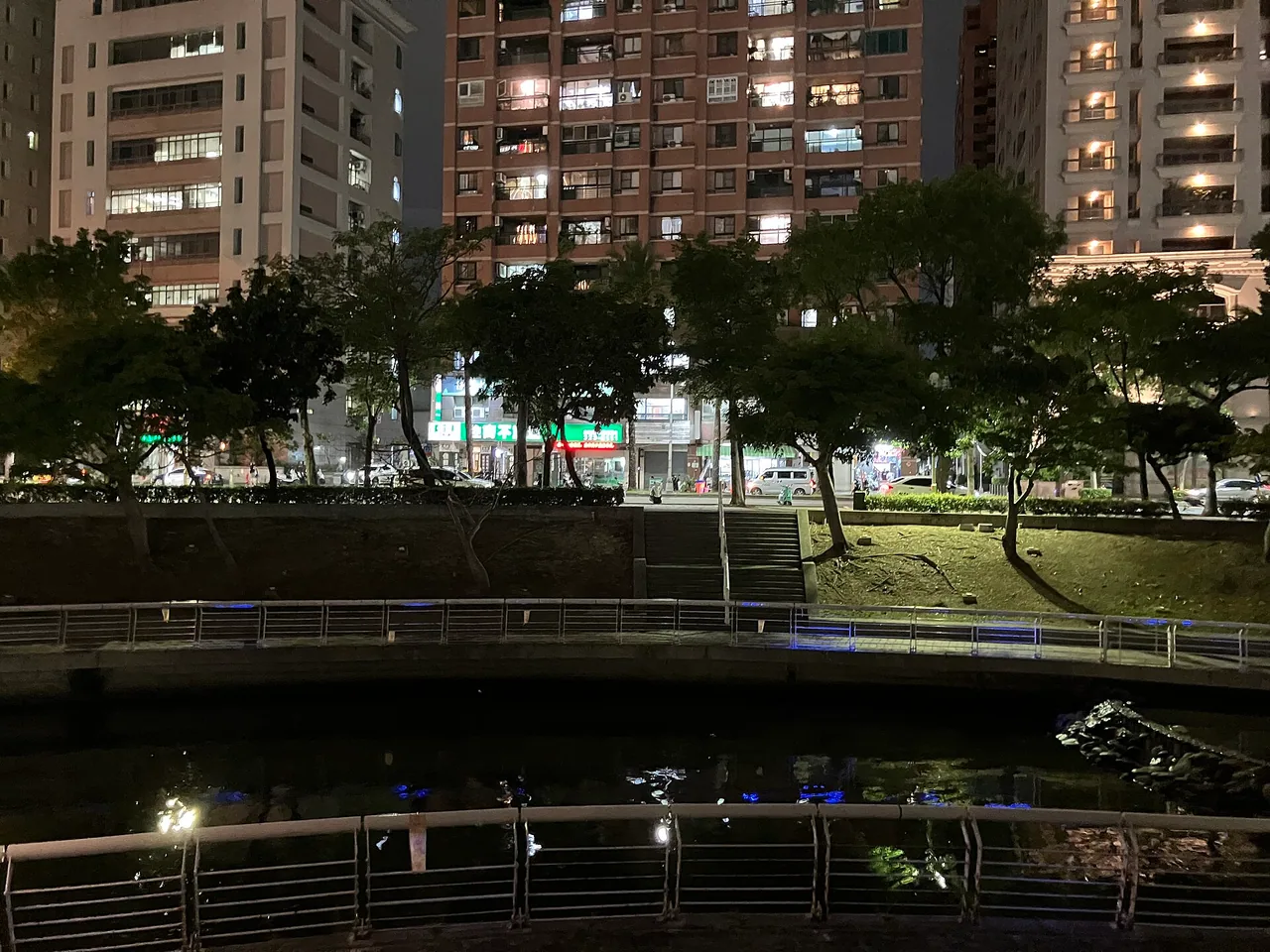
Why an urban river is worth understanding
Love River is not an ornamental pond. It functions as an urban drainage channel, a tidal estuary, a city axis and shared public space. Rain upstream can change the color of water downstream; tides alter the level at the banks; and visitor behavior affects whether people and wildlife can continue using its edges safely.
Five ways to read the river
1. River catchment and rainfall
Water flows through an urban catchment before reaching the harbor. Heavy rainfall can send surface runoff, sediment and litter into the channel. The river may look very different after a storm, even when the promenade itself is open.
2. Tides and changing water levels
Lower reaches feel the influence of harbor tides. A dry-looking step or low platform in the morning may be partly submerged later. Observe water marks and posted warnings; do not treat a previously accessible edge as permanently safe.
3. Water quality and long-term improvement
Urban development once placed heavy pollution pressure on the river. Sewage interception, treatment and bank improvements have transformed public access, but rain events and upstream conditions can still affect water quality. An attractive surface is not proof that swimming is safe.
4. Estuary life and habitat
The lower river is an interface between freshwater, tidal influence and city structures. Birds, fish and other organisms use different pockets of habitat. More vegetated stretches and the Zhongdu Wetlands Park offer a contrasting experience to the busy harbor.
5. A public space shared with residents
Walkers, cyclists, local families, boat operators, performers and nearby residents all share the river corridor. Keep paths accessible, reduce noise late at night and respect private entrances and managed areas.
Three commonly overlooked observations
Water levels change. Tidal levels rise and fall across the day. Check the current waterline before choosing a rest or photography position.
Rain does not mean clean water. Runoff can carry silt and rubbish; surfaces are slippery after heavy rain. Stay away from low waterfront edges during storms or typhoon weather.
Observation distance protects wildlife. Keep food to yourself, step back from nesting or feeding birds, avoid bright direct lights and use a quiet voice to see more natural behavior.
A simple visitor code
Take all litter away, never feed or capture wildlife, stay behind safety barriers, keep night lighting and noise low, and leave plants undisturbed. Small choices help keep this shared river welcoming for the next visitor.
Now fit it into your day
Check how to get there, then compare the two boat experiences before you book.